The Importance of Wellbeing Platforms in Tech Companies
Wellbeing platforms have become essential in tech companies as they prioritize the health and happiness of their employees. By providing resources and tools to support mental, emotional, and physical wellbeing, these platforms aim to create a positive work environment and boost productivity.
Increased Adoption of Wellbeing Platforms
Tech companies are increasingly adopting wellbeing platforms to address the growing concern for employee welfare. With the rise of remote work and the blurring of boundaries between personal and professional life, companies recognize the need to support their employees holistically.
- Google: Google is known for its comprehensive wellbeing programs, offering resources such as meditation sessions, fitness classes, and mental health support to its employees.
- Microsoft: Microsoft has integrated a wellbeing platform called "Viva Insights" into its Microsoft Teams software, providing personalized recommendations to help employees improve their work-life balance.
Impact on Employee Satisfaction and Productivity
Wellbeing platforms have a direct impact on employee satisfaction and productivity. When employees feel supported in their mental and physical health, they are more engaged, motivated, and productive at work.
Research has shown that companies with wellbeing programs experience lower turnover rates and higher levels of employee engagement.
Features of Effective Wellbeing Platforms
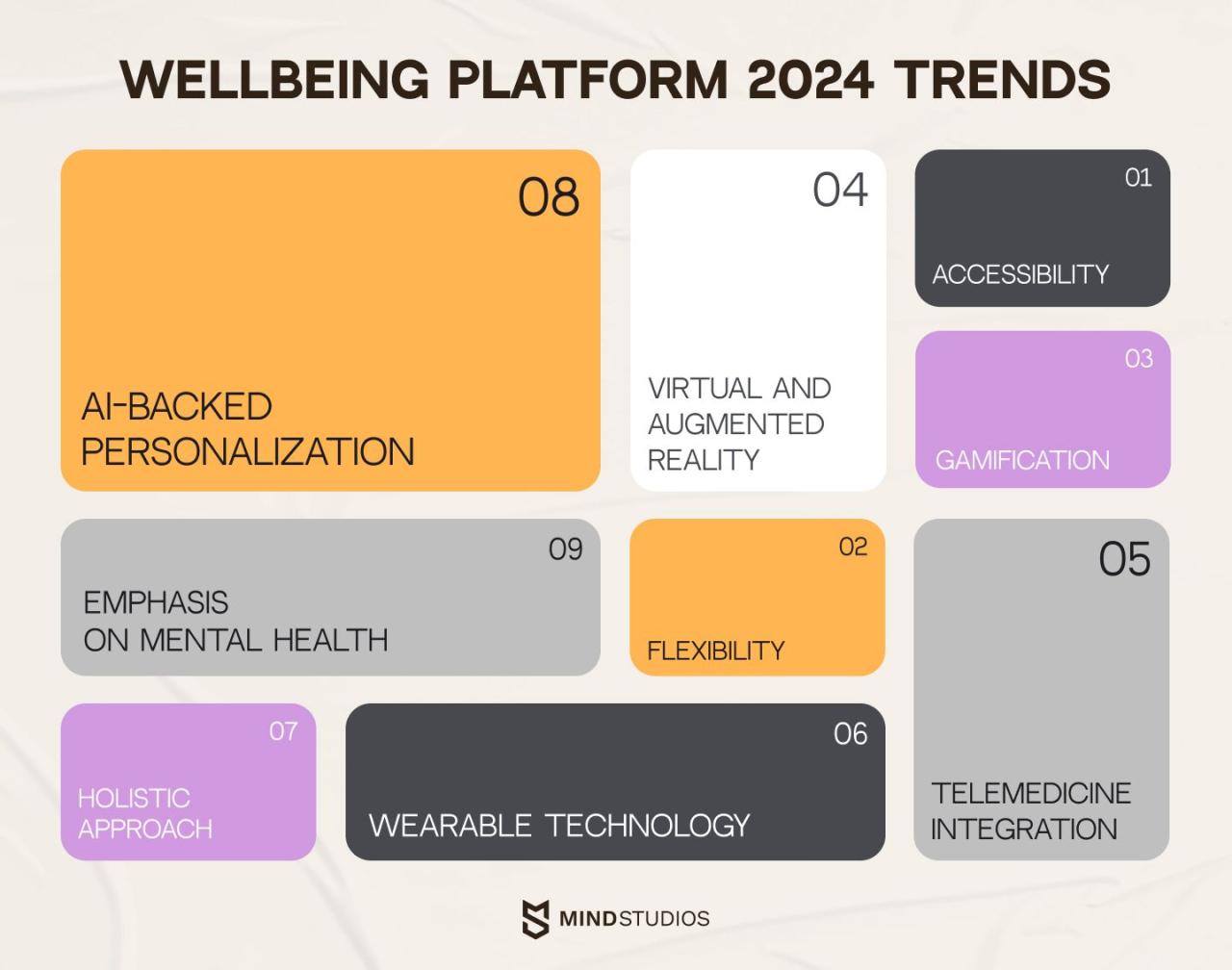
Effective wellbeing platforms for tech companies are characterized by a range of key features that cater to the unique needs of employees in the tech industry. These features go beyond the traditional wellness programs and focus on holistic support for mental, physical, and emotional wellbeing.
Personalized Wellbeing Plans
- Customized plans based on individual needs and preferences
- Integration of wearable devices and health apps for tracking progress
- Access to health coaches and resources for personalized guidance
Flexible Work Arrangements
- Options for remote work and flexible hours to promote work-life balance
- Support for time off and mental health days
- Tools for managing workload and setting boundaries
Mental Health Support
- Access to therapy sessions and mental health resources
- Anonymous support groups and forums for sharing experiences
- Training for managers on recognizing and addressing mental health issues
Physical Wellness Programs
- On-site fitness classes and gym memberships
- Healthy meal options and nutrition counseling
- Ergonomic assessments and equipment for optimal workspace setup
Benefits of Wellbeing Platforms for Employees and Employers
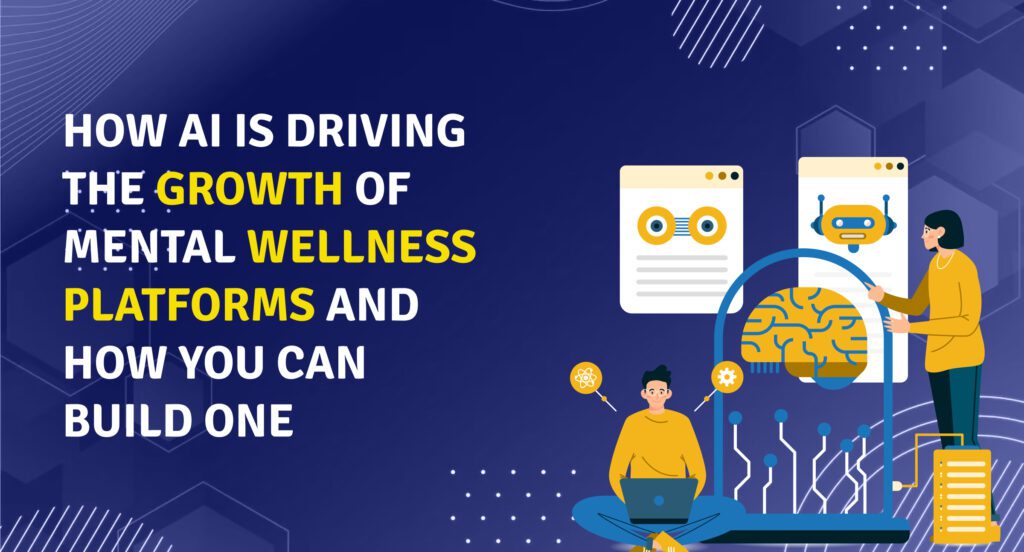
Wellbeing platforms offer a wide range of benefits for both employees and employers, contributing to a positive work environment and overall company performance.
Benefits for Employees:
- Access to resources and tools for mental health support, stress management, and overall wellbeing.
- Opportunities for personalized wellness plans and activities, promoting a healthier lifestyle.
- Enhanced work-life balance through flexible scheduling and remote work options.
- Improved job satisfaction and morale, leading to higher productivity and engagement.
- Increased sense of belonging and community within the organization.
Benefits for Employers:
- Higher employee retention rates as a result of improved job satisfaction and overall wellbeing.
- Reduction in absenteeism and presenteeism, leading to cost savings for the company.
- Enhanced company reputation as a desirable place to work, attracting top talent.
- Increased productivity and performance due to a healthier and happier workforce.
- Positive impact on company culture, fostering a supportive and inclusive work environment.
Challenges and Solutions in Implementing Wellbeing Platforms
Implementing wellbeing platforms in tech companies can present various challenges that need to be addressed effectively to ensure successful integration and utilization. Here are some common challenges faced by tech companies when implementing wellbeing platforms and proposed solutions to overcome them.
Challenge: Employee Engagement
One of the main challenges in implementing wellbeing platforms is ensuring high employee engagement and participation. Employees may be resistant to change or lack motivation to use the platform regularly.
- Provide comprehensive onboarding and training to educate employees about the benefits of the platform and how to use it effectively.
- Offer incentives or rewards for active participation to encourage engagement and create a sense of accountability.
- Seek feedback from employees regularly to understand their needs and preferences, and tailor the platform to meet their expectations.
Challenge: Data Privacy and Security
Another challenge is ensuring the privacy and security of employee data stored on the wellbeing platform, especially in a tech environment where data breaches are a significant concern.
- Implement robust data encryption and security measures to protect sensitive information and comply with data privacy regulations.
- Regularly conduct security audits and updates to identify and address any vulnerabilities in the platform.
- Educate employees about data privacy best practices and reassure them of the platform's security measures to build trust and confidence.
Challenge: Integration with Existing Systems
Integrating a new wellbeing platform with existing systems and workflows in a tech company can be complex and challenging, leading to potential resistance from employees and disruptions in operations.
- Collaborate closely with IT and HR departments to ensure seamless integration of the platform with existing systems and technologies.
- Provide training and support to employees to help them adapt to the new platform and incorporate it into their daily routines.
- Monitor and evaluate the integration process regularly to identify any issues or bottlenecks and address them promptly.
Importance of Continuous Improvement
It is essential for tech companies to prioritize continuous improvement and adaptation in the implementation of wellbeing platforms to ensure long-term success and effectiveness.
- Regularly gather feedback from employees and stakeholders to identify areas for improvement and innovation in the platform.
- Stay updated on industry trends and best practices to incorporate new features and functionalities that enhance the platform's value and relevance.
- Encourage a culture of wellness and self-care within the organization to drive sustained engagement with the platform and promote overall employee wellbeing.
Essential FAQs
Why are tech companies increasingly adopting wellbeing platforms?
Tech companies are embracing wellbeing platforms to enhance employee satisfaction, productivity, and overall work environment quality.
What are the benefits of wellbeing platforms for employers?
Employers benefit from improved retention rates, enhanced company performance, and a positive work culture through the implementation of wellbeing platforms.
What are some common challenges faced in implementing wellbeing platforms?
Common challenges include initial resistance to change, integration issues with existing systems, and ensuring continuous improvement in platform functionality.