Importance of Well B Audits

Well B audits play a crucial role in ensuring the effectiveness of an organization's employee support system. By conducting these audits, companies can identify gaps and areas for improvement, ultimately leading to a more supportive and productive work environment.
Enhancing Employee Support Systems
Well B audits can help organizations assess the current state of their employee support systems and pinpoint areas that need attention. For example, by analyzing feedback from employees, companies can identify where additional resources or training may be necessary to better support their teams.
- Identifying gaps in communication channels that may be hindering employees from seeking help or voicing concerns.
- Evaluating the effectiveness of existing support programs such as mental health initiatives or professional development opportunities.
- Ensuring that managers and supervisors are equipped with the necessary tools to support their teams effectively.
Impact on Employee Well-being and Productivity
By improving employee support systems through Well B audits, organizations can positively impact the overall well-being and productivity of their workforce. When employees feel supported and valued, they are more likely to be engaged and motivated to perform their best.
- Reducing stress and burnout by addressing issues that may be contributing to a negative work environment.
- Promoting a culture of trust and open communication, leading to higher employee satisfaction and retention rates.
- Increasing productivity and efficiency as employees feel empowered to seek help and resources when needed.
Identifying Gaps in Employee Support Systems
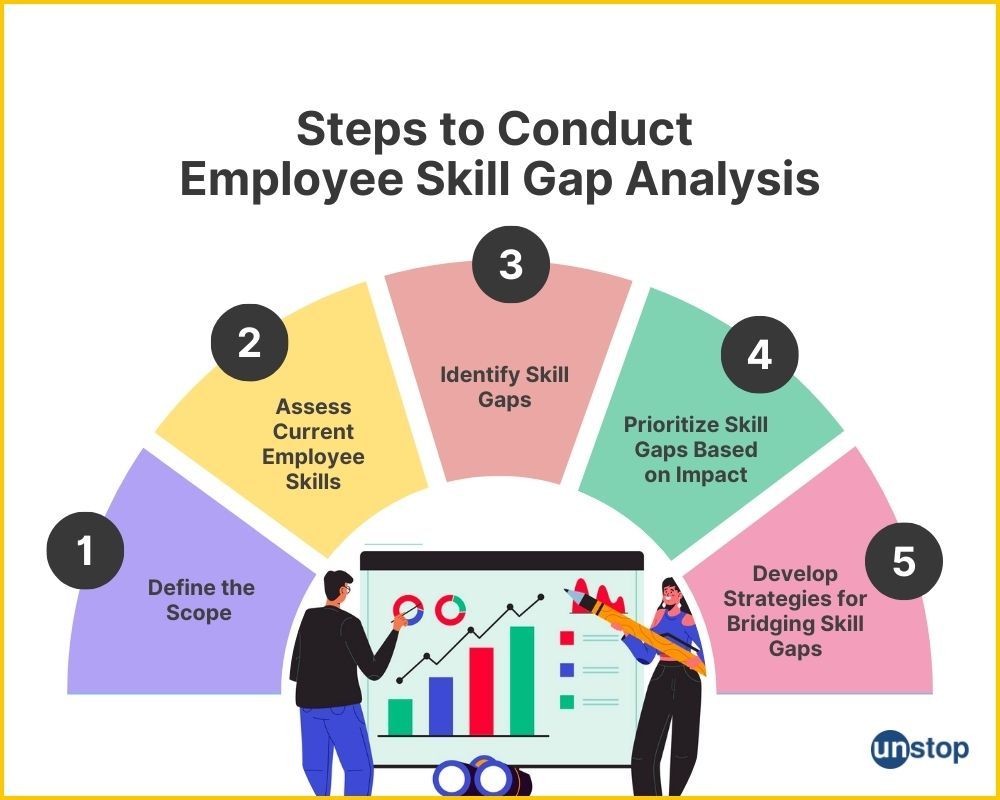
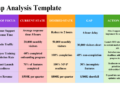
When conducting Well B audits to identify gaps in employee support systems, it is crucial to have a systematic approach that involves thorough examination and analysis. By pinpointing these gaps, organizations can take proactive measures to enhance their support systems and improve overall employee well-being.
Common Indicators of Support System Gaps
There are several common indicators that suggest a gap in the employee support system. These indicators can serve as red flags that highlight areas needing attention and improvement:
- High employee turnover rates
- Frequent absenteeism or tardiness
- Lack of employee engagement
- Increase in workplace conflicts or grievances
- Low productivity levels
Consequences of Unaddressed Gaps
Leaving these gaps unaddressed can have detrimental effects on both employees and the organization as a whole. Some of the consequences include:
- Decreased morale and job satisfaction among employees
- Higher stress levels and burnout
- Diminished employee loyalty and commitment
- Negative impact on overall organizational performance
- Risk of losing top talent to competitors
Strategies for Conducting Effective Well B Audits
Effective Well B audits are essential for identifying gaps in your employee support system and improving overall workplace well-being. To ensure a successful audit, it is crucial to plan and execute the process meticulously while maintaining the anonymity and confidentiality of employees.
Planning and Execution of Well B Audits
- Define the objectives of the audit: Clearly Artikel what you aim to achieve through the audit process, whether it is to identify areas for improvement, assess the effectiveness of current support systems, or gather feedback from employees.
- Establish a timeline: Set specific dates for different stages of the audit, including data collection, analysis, and implementation of recommendations.
- Select appropriate data collection methods: Utilize tools such as surveys, interviews, focus groups, or observation to gather feedback from employees.
- Involve key stakeholders: Ensure that relevant stakeholders, including HR professionals, managers, and employees, are actively involved in the audit process.
- Analyze and interpret data: Thoroughly analyze the data collected to identify trends, patterns, and areas of improvement within the employee support system.
Tools and Methods for Gathering Data and Feedback
- Anonymous surveys: Conducting surveys that allow employees to provide feedback without revealing their identities can encourage honest responses.
- Focus groups: Organizing focus group sessions can provide in-depth insights into specific issues affecting employee well-being.
- One-on-one interviews: Conducting confidential interviews with employees can allow for more personalized feedback and suggestions.
- Review of existing data: Analyzing metrics such as employee turnover rates, absenteeism, and performance reviews can also offer valuable insights.
Ensuring Anonymity and Confidentiality
- Communicate the importance of anonymity: Clearly explain to employees that their responses will be kept confidential to encourage honest feedback.
- Use third-party tools: Consider utilizing third-party platforms or software to collect and analyze data anonymously.
- Aggregate data: Ensure that data is aggregated and reported in a way that protects individual identities while still providing valuable insights.
- Establish trust: Build trust with employees by assuring them that their feedback will be used constructively and not against them.
Addressing and Resolving Identified Gaps
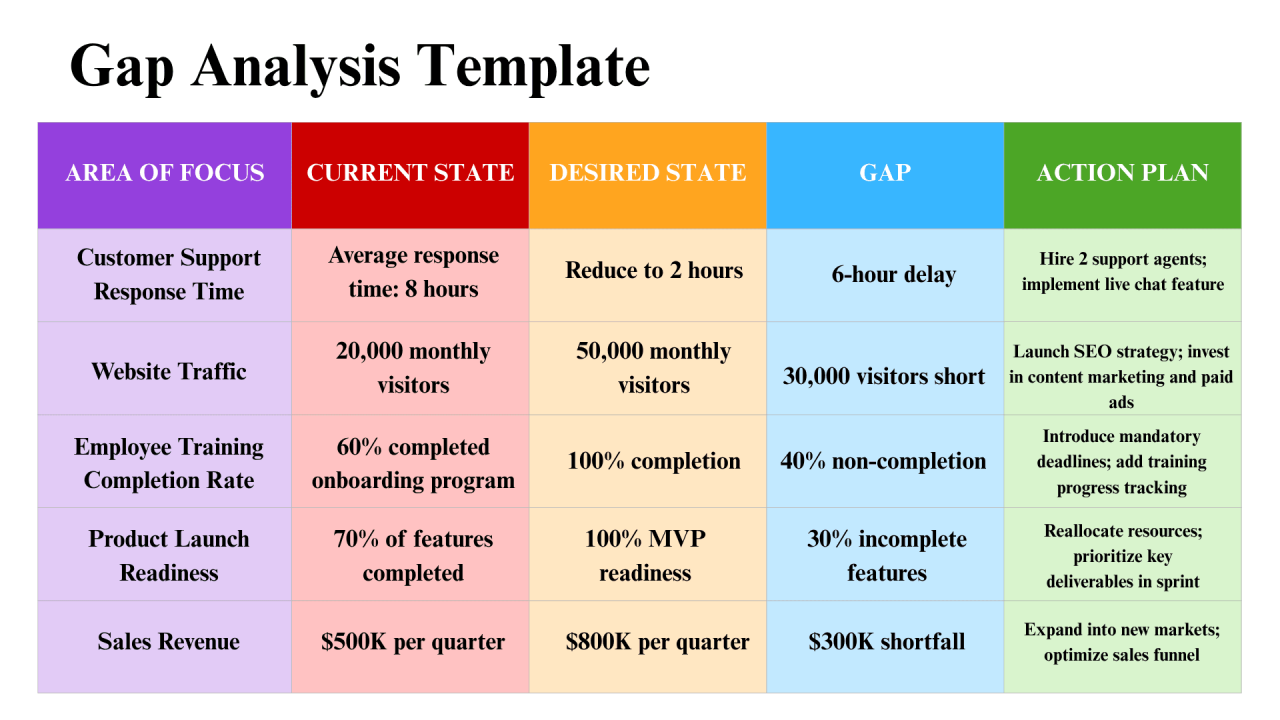
Addressing and resolving the gaps identified through Well B audits is crucial for organizations to enhance their employee support systems and overall performance. By taking proactive steps to bridge these gaps, organizations can create a more conducive work environment and better support their employees.
Prioritizing Gap Resolution
- Assess the impact: Evaluate the consequences of each identified gap on employee morale, productivity, and well-being.
- Set priorities: Determine which gaps need immediate attention based on severity and potential risks.
- Allocate resources: Allocate necessary resources, such as budget, time, and manpower, to address the identified gaps effectively.
Implementing Changes for Improvement
- Develop an action plan: Create a detailed plan outlining specific steps and timelines for addressing each identified gap.
- Communicate effectively: Ensure clear communication with employees about the changes being implemented and the reasons behind them.
- Training and development: Provide training opportunities to employees to equip them with the skills needed to adapt to the new support system.
Continuous Monitoring and Follow-up
- Regular evaluations: Conduct periodic assessments to monitor the effectiveness of the implemented changes and identify any new gaps that may arise.
- Feedback mechanisms: Establish feedback channels for employees to share their thoughts on the revised support system and suggest improvements.
- Adjustment as needed: Be prepared to make adjustments to the support system based on feedback and evolving organizational needs.
FAQ Explained
What is the significance of Well B Audits?
Well B Audits help organizations identify areas for improvement in employee support systems, leading to enhanced well-being and productivity.
How can gaps in employee support systems be identified through Well B Audits?
Gaps can be identified by analyzing feedback, observing performance indicators, and conducting surveys to pinpoint areas of improvement.
What are the common consequences of leaving gaps in support systems unaddressed?
Unaddressed gaps can lead to decreased morale, productivity, and employee satisfaction, impacting overall organizational success.