Understanding Blue-Collar and White-Collar Work
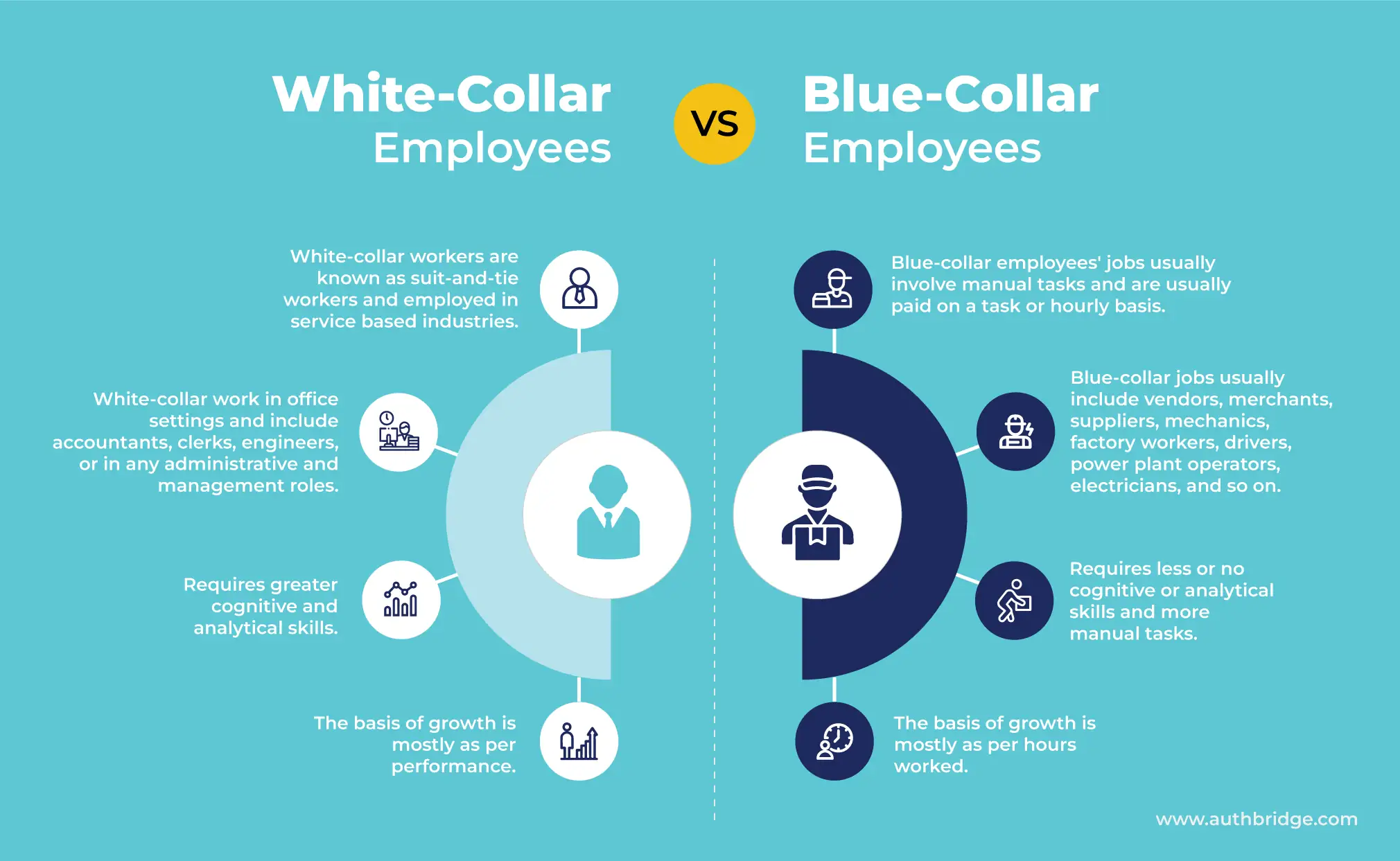
Blue-collar and white-collar jobs are two distinct categories in the workforce, each with its own set of characteristics and responsibilities.
Blue-Collar Jobs
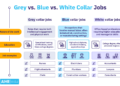
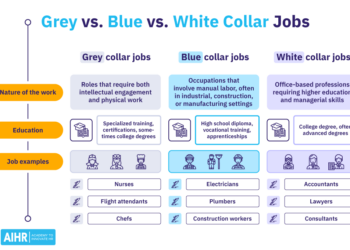
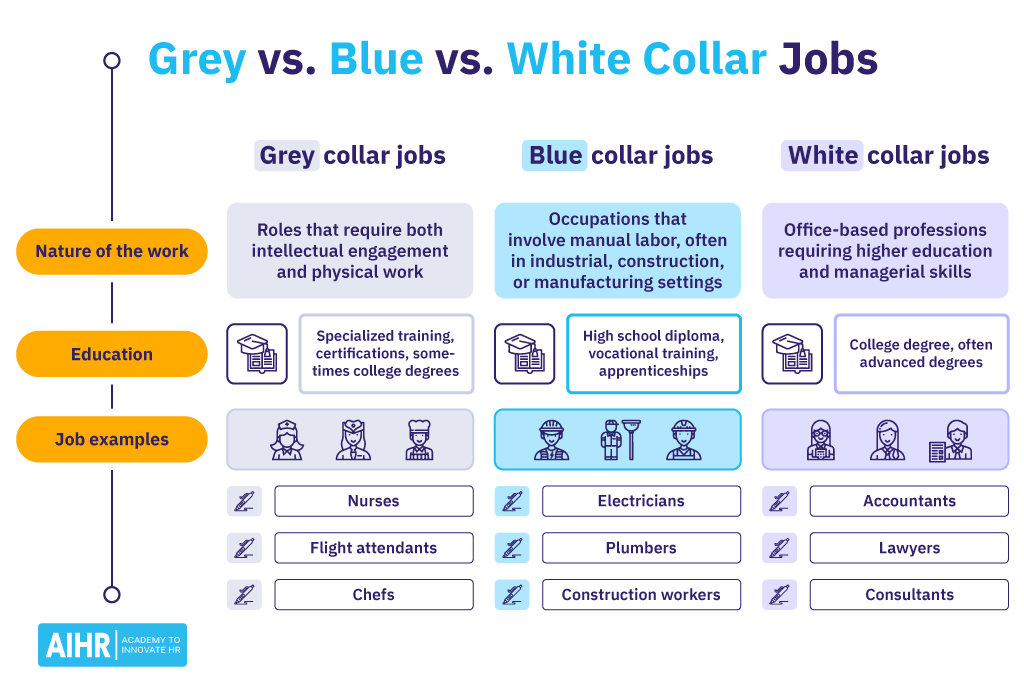
Blue-collar jobs typically involve manual labor and are often associated with industries such as manufacturing, construction, and maintenance. Workers in blue-collar jobs may operate machinery, perform physical tasks, and work with their hands to complete projects.
- Tasks and Responsibilities:
- Physical labor such as lifting, moving, and operating equipment.
- Following specific instructions to complete tasks efficiently.
- Hands-on work that requires technical skills and expertise.
- Work Environment and Challenges:
- Often work in outdoor settings or industrial environments.
- May face safety hazards and risks on a daily basis.
- Physical strain and fatigue from repetitive movements.
White-Collar Jobs
White-collar jobs are typically office-based roles that involve professional, managerial, or administrative tasks. Workers in white-collar jobs often use their knowledge, skills, and expertise to analyze data, make decisions, and communicate effectively.
- Tasks and Responsibilities:
- Analyzing data, creating reports, and making strategic decisions.
- Working on computers, using software, and managing projects.
- Interacting with colleagues, clients, and stakeholders in a professional manner.
- Work Environment and Challenges:
- Office-based settings with desks, computers, and meeting rooms.
- Pressure to meet deadlines, achieve targets, and deliver results.
- Sedentary lifestyle leading to health issues like back pain and eye strain.
Wellbeing Strategies for Blue-Collar Workers
When it comes to blue-collar workers, their physical wellbeing is often at the forefront due to the demanding nature of their work. The impact of these physical demands can take a toll on their overall health and wellbeing. It is crucial to address these challenges and provide effective strategies to support their mental and physical health.
Effective Stress Management Techniques
- Encouraging regular breaks during shifts to prevent burnout and reduce stress levels.
- Implementing mindfulness or relaxation techniques to help workers cope with high-pressure situations.
- Providing access to confidential counseling services for employees to discuss work-related stressors.
Ergonomic Practices for Improved Health and Safety
- Ensuring proper training on lifting techniques to prevent injuries and strain on the body.
- Providing ergonomic equipment such as adjustable workstations or tools to reduce physical strain.
- Encouraging proper posture and stretching exercises to prevent musculoskeletal issues.
Wellbeing Strategies for White-Collar Workers
White-collar professions often come with unique mental health challenges that need to be addressed for overall wellbeing.
Mental Health Issues in White-Collar Professions
White-collar workers are prone to stress, anxiety, and depression due to long hours, high-pressure environments, and constant deadlines. These factors can lead to burnout and affect mental health negatively.
Promoting Work-Life Balance and Reducing Burnout
- Encouraging employees to take regular breaks throughout the day to recharge and prevent burnout.
- Implementing flexible work hours or remote work options to allow for better work-life balance.
- Providing mental health resources such as counseling services or employee assistance programs.
- Promoting a culture of open communication and support among colleagues to reduce feelings of isolation.
Importance of Mental Health Awareness Programs
Mental health awareness programs in white-collar workplaces are crucial for creating a supportive environment where employees feel comfortable seeking help. These programs can include workshops, training sessions, and resources to educate employees about mental health issues and reduce stigma surrounding seeking help.
Bridging the Gap: Integrating Wellbeing Strategies
In order to bridge the gap between blue-collar and white-collar wellbeing initiatives, organizations can adopt a holistic approach that addresses the needs of both types of workers. By integrating wellbeing strategies that cater to the unique challenges and demands faced by blue-collar and white-collar employees, companies can create a more inclusive and supportive work environment.
Benefits of Creating a Holistic Wellbeing Program
- Improved overall employee health and wellbeing
- Increased productivity and job satisfaction
- Enhanced employee engagement and retention
- Reduced absenteeism and healthcare costs
Examples of Successful Integration of Wellbeing Strategies
- Offering flexible work arrangements that accommodate different work schedules and lifestyles
- Providing access to mental health resources and support programs for all employees
- Implementing wellness challenges and initiatives that promote physical activity and healthy habits for everyone in the organization
- Organizing cross-functional teams or committees focused on wellbeing to ensure diverse perspectives and needs are considered
Query Resolution
How can blue-collar workers benefit from ergonomic practices?
Implementing ergonomic practices can help improve the overall health and safety of blue-collar workers by reducing strain on their bodies and minimizing the risk of workplace injuries.
What is the significance of mental health awareness programs in white-collar workplaces?
Mental health awareness programs play a crucial role in promoting a supportive work environment, reducing stigma around mental health issues, and enhancing overall employee wellbeing in white-collar professions.
Why is it important to bridge the gap between blue-collar and white-collar wellbeing initiatives?
Integrating tailored wellbeing strategies for both blue-collar and white-collar workers fosters inclusivity, boosts employee morale, and creates a more cohesive workplace culture that values the wellbeing of all employees.