The Importance of Mental Health in Corporate Wellness

Mental health is a crucial component of corporate health and wellness programs as it directly impacts the overall well-being and productivity of employees. Prioritizing mental health can lead to a positive work environment, increased employee engagement, and improved organizational outcomes.
Benefits of Prioritizing Mental Health
- Reduced absenteeism and presenteeism: Employees with good mental health are more likely to show up for work and be productive while they are there.
- Enhanced employee morale: When employees feel supported in their mental health, they are more likely to feel valued and appreciated by the organization.
- Improved decision-making and problem-solving: Mental health impacts cognitive functioning, so prioritizing mental well-being can lead to better decision-making and problem-solving skills among employees.
Impact on Employee Productivity and Well-being
Employees struggling with mental health issues may experience decreased productivity, low motivation, and increased stress levels. By addressing mental health in corporate wellness programs, organizations can create a supportive environment that promotes overall well-being and fosters a positive work culture.
Strategies for Integrating Mental Health into Corporate Wellness Programs

In today's fast-paced corporate environment, it is crucial for companies to prioritize the mental health and well-being of their employees. By integrating mental health initiatives into their wellness programs, companies can create a supportive and inclusive environment that not only boosts employee morale but also enhances productivity and overall success.
Role of Leadership in Promoting Mental Health Awareness
Effective leadership plays a critical role in promoting mental health awareness and reducing stigma in the workplace. Leaders should lead by example by openly discussing mental health, encouraging open communication, and providing resources for employees to seek help when needed.
By fostering a culture of acceptance and support, leaders can create a safe space for employees to address their mental health concerns without fear of judgment.
Best Practices for Creating a Supportive Environment
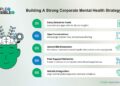
- Implement mental health training programs for managers and employees to increase awareness and understanding of mental health issues.
- Offer employee assistance programs (EAPs) that provide confidential counseling and support services for employees facing mental health challenges.
- Encourage work-life balance by promoting flexible work arrangements, paid time off for mental health days, and stress-reducing activities like mindfulness and meditation.
- Create a stigma-free environment by normalizing conversations around mental health, educating employees on the importance of seeking help, and providing access to mental health resources and support groups.
- Foster a culture of appreciation and recognition to boost employee morale and create a sense of belonging within the organization.
Tools and Resources for Supporting Employee Mental Health
Employee mental health is a crucial aspect of overall well-being in the workplace. Providing the right tools and resources can make a significant difference in supporting employees' mental health needs.
Digital Mental Health Solutions
- Apps: Mobile applications focused on mental health can provide employees with resources for stress management, mindfulness exercises, mood tracking, and access to mental health professionals.
- Online Counseling Services: Platforms offering virtual therapy sessions can give employees convenient and confidential access to mental health support.
- Telemedicine: Virtual healthcare services that include mental health consultations can help employees seek professional help without the need to visit a physical office.
Mental Health Education and Training
- Workshops: Conducting workshops on stress management, emotional intelligence, and mental health awareness can empower employees with knowledge and skills to cope with challenges.
- Training Programs: Providing training sessions on mental health first aid and destigmatizing mental health issues can create a supportive environment in the workplace.
- Educational Resources: Distributing informative materials, such as articles, videos, and guides, on mental health topics can help employees understand and address their mental health concerns.
Measuring the Impact of Mental Health Programs on Corporate Wellness
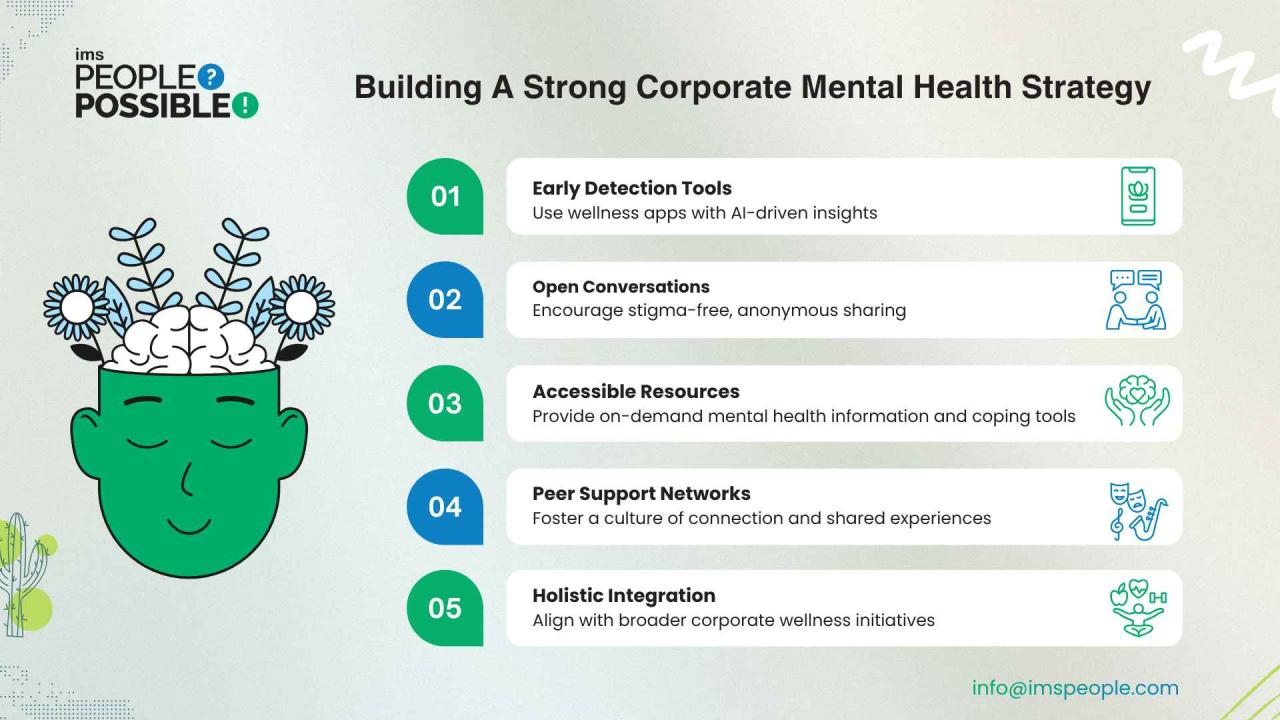
Mental health programs play a crucial role in enhancing employee well-being and productivity within corporate environments. It is essential for organizations to measure the effectiveness of these programs to ensure they are making a positive impact on the overall corporate wellness strategy.
Key Metrics and Indicators for Evaluation
- Employee Absenteeism Rates: Tracking the number of days employees are absent due to mental health issues can provide insights into the effectiveness of mental health programs.
- Employee Engagement Surveys: Regular surveys can gauge employee satisfaction, stress levels, and overall well-being, indicating the impact of mental health initiatives.
- Retention Rates: Monitoring employee turnover rates can indicate whether mental health programs are contributing to a healthier and more supportive work environment.
Comparison of Evaluation Methods
- Qualitative Assessments: Conducting interviews, focus groups, and feedback sessions can provide valuable qualitative data on the perceived impact of mental health programs.
- Quantitative Data Analysis: Utilizing data analytics to track key metrics and indicators can offer concrete evidence of the success of mental health interventions.
- Cost-Benefit Analysis: Assessing the financial impact of mental health programs and comparing it to the benefits gained can help determine the ROI of these initiatives.
Examples of Successful Measurement
- Company XYZ implemented a mental health program and saw a 20% decrease in absenteeism rates within six months of implementation.
- Company ABC conducted employee engagement surveys before and after introducing mental health initiatives, resulting in a 15% increase in overall satisfaction levels.
- Company DEF analyzed retention rates and found a 30% decrease in employee turnover after investing in mental health support services.
FAQ Insights
How does mental health impact employee productivity?
Mental health significantly influences employee productivity, as individuals experiencing mental health issues may struggle to focus, maintain energy levels, and collaborate effectively with colleagues. Employers play a crucial role in promoting mental well-being to enhance productivity levels.
What are some effective tools for supporting employee mental health?
Tools such as mental health apps, online counseling services, and employee assistance programs can be valuable resources for supporting employee mental health. These tools offer accessible support and resources for individuals dealing with mental health challenges.