Employee Wellness Month 2026 Theme Ideas
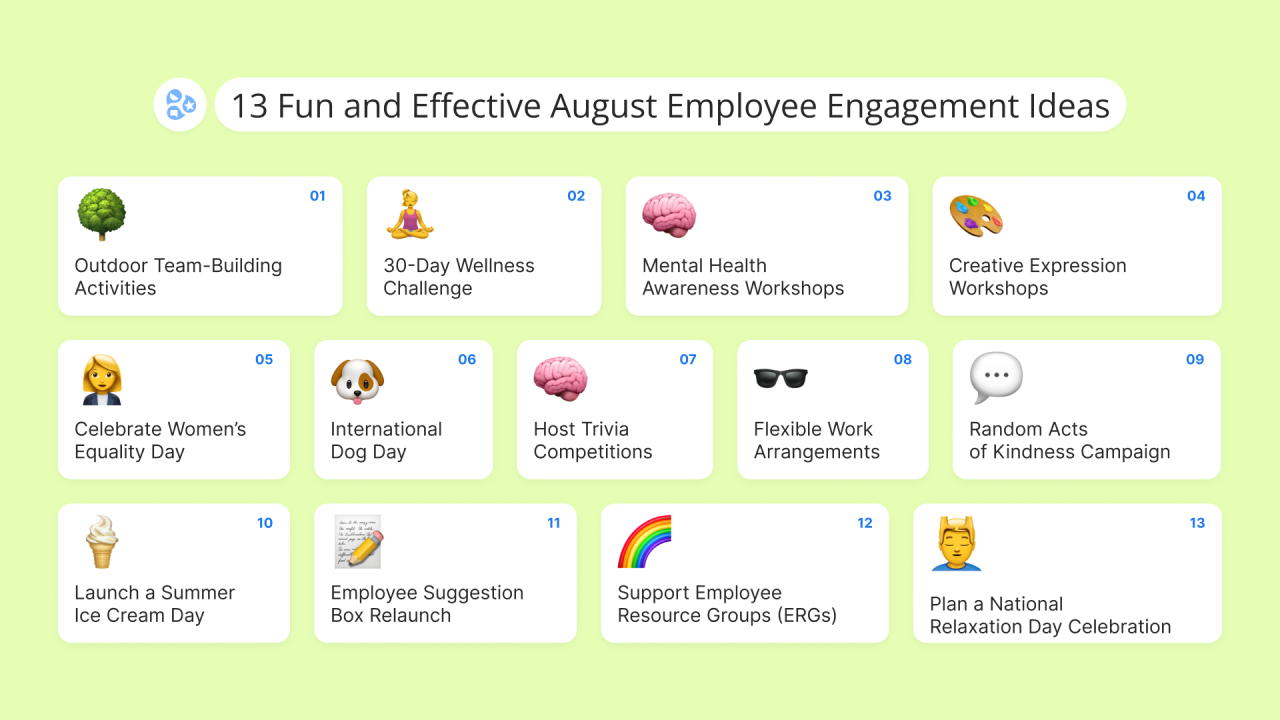
To enhance engagement and promote the overall wellness of employees during Employee Wellness Month 2026, it is crucial to introduce unique and captivating theme ideas. These themes can inspire participation and create a positive impact on the well-being of staff members.
1. "Mindful Mondays"
Encouraging mindfulness practices can help employees reduce stress, improve focus, and enhance overall mental well-being. Activities under this theme could include guided meditation sessions, stress-relief workshops, and group yoga classes.
2. "Fitness Frenzy"
Promoting physical wellness through a "Fitness Frenzy" theme can motivate employees to stay active and adopt healthier lifestyle habits. Events like step challenges, group workout sessions, and nutrition workshops can be organized to promote physical activity and healthy living.
3. "Healthy Habits, Happy Hearts"
Emphasizing the importance of healthy habits such as proper nutrition, hydration, and sleep can significantly impact the well-being of employees. Workshops on healthy cooking, hydration challenges, and sleep hygiene tips can be incorporated under this theme to encourage employees to prioritize their health.
4. "Connect & Collaborate"
Fostering a sense of community and social connection among employees can improve overall well-being and job satisfaction. Team-building activities, group volunteer projects, and networking events can be organized to promote collaboration and strengthen relationships within the workplace.
5. "Gratitude & Growth"
Encouraging employees to practice gratitude and focus on personal growth can positively impact their mental and emotional well-being. Activities like gratitude journaling, goal-setting workshops, and personal development seminars can be included under this theme to inspire self-improvement and positivity.
Implementing Wellness Initiatives
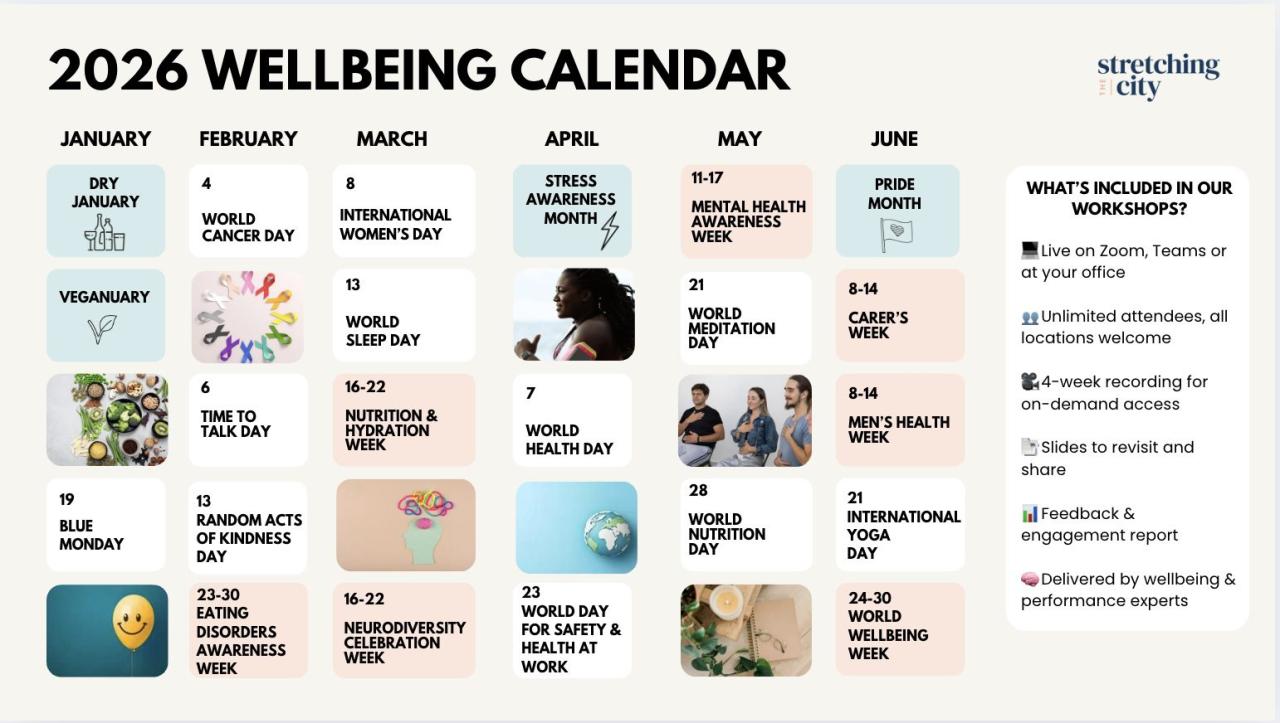
Implementing wellness initiatives within the workplace is crucial for promoting employee well-being and engagement. By creating a supportive environment that prioritizes health and wellness, organizations can enhance employee satisfaction, productivity, and retention.
Strategies for Effective Implementation
- Establish a Wellness Committee: Form a dedicated team responsible for planning, implementing, and evaluating wellness programs.
- Offer Diverse Programs: Provide a range of wellness activities to cater to different interests and needs, such as fitness classes, mental health resources, and nutritional workshops.
- Promote Leadership Support: Encourage leaders to actively participate in wellness initiatives to set a positive example for employees.
Encouraging Employee Participation
- Communicate Effectively: Use various channels to promote wellness programs and highlight their benefits to encourage participation.
- Incentivize Engagement: Offer rewards or recognition for employees who actively engage in wellness activities or achieve specific health goals.
- Create a Supportive Environment: Foster a culture that values well-being and provides resources for employees to prioritize their health.
Measuring Success and Impact
- Collect Feedback: Gather input from employees through surveys or focus groups to assess the effectiveness of wellness initiatives.
- Track Participation Rates: Monitor the number of employees engaging in wellness programs to gauge interest and identify areas for improvement.
- Evaluate Employee Engagement: Measure changes in employee satisfaction, productivity, and retention to determine the impact of wellness initiatives on overall engagement.
Virtual vs. In-Person Wellness Activities
When planning Employee Wellness Month, one key decision to make is whether to focus on virtual wellness activities, in-person events, or a combination of both. Each option comes with its own set of benefits and challenges, so it's essential to weigh them carefully to create a well-rounded wellness program.
Benefits and Challenges of Virtual Wellness Activities
Virtual wellness activities offer the flexibility of participation from anywhere, making it easier for remote or geographically dispersed employees to join. They are cost-effective, require minimal logistical planning, and can accommodate a larger number of participants. However, challenges such as technology barriers, lack of personal interaction, and difficulty in fostering a sense of community may arise.
Benefits and Challenges of In-Person Wellness Activities
In-person wellness activities provide a more personal and engaging experience, allowing for direct interaction and connection among employees. They promote a sense of camaraderie, boost morale, and can lead to stronger relationships within the team. On the downside, in-person events can be more costly, require physical space, and may exclude remote employees.
Tips for Integrating Virtual and In-Person Activities
- Offer a variety of wellness activities to cater to different preferences and needs.
- Utilize a combination of virtual platforms and in-person events to reach a wider audience.
- Provide options for employees to participate in activities based on their location and availability.
- Ensure clear communication and instructions for both virtual and in-person activities.
- Collect feedback from employees to continuously improve the wellness program.
Success Stories of Balancing Virtual and In-Person Initiatives
Companies like XYZ Corp. have successfully balanced virtual and in-person wellness initiatives by hosting virtual fitness classes during the week and organizing monthly team-building events in person. This approach ensures that all employees feel included and engaged, regardless of their location or work setup.
Wellness Challenges and Competitions
Employee Wellness Month is the perfect opportunity to introduce engaging wellness challenges and competitions that can motivate and inspire employees to prioritize their well-being. These activities not only promote physical and mental health but also foster team building and a sense of community among participants.
Designing Wellness Challenges
- Create step challenges where employees can track their daily steps and compete to reach a collective goal.
- Organize healthy recipe contests to encourage employees to share nutritious meal ideas.
- Implement mindfulness challenges that focus on meditation or stress-relief techniques.
Fostering Team Building
- Wellness challenges bring employees together towards a common goal, promoting collaboration and teamwork.
- Competitions create a sense of camaraderie as colleagues support each other in achieving wellness milestones.
Achievable Goals and Recognition
- Setting realistic goals ensures that employees feel motivated and empowered to participate in wellness activities.
- Recognizing and rewarding participants for their efforts and achievements helps boost morale and engagement.
- Publicly acknowledging the winners of wellness challenges can inspire others to join in and strive for success.
FAQ Explained
How can themed activities enhance employee participation during Employee Wellness Month?
Themed activities provide a cohesive structure and create excitement, making it more likely for employees to engage and participate.
What are some effective ways to measure the success of wellness initiatives?
Success can be measured through metrics like participation rates, feedback from employees, and improvements in overall well-being indicators.
How can companies encourage employees to take part in wellness challenges?
Companies can incentivize participation through rewards, recognition, and creating a supportive environment that values well-being.