Importance of Corporate Health and Wellness Programs
Corporate health and wellness programs play a crucial role in ensuring the overall well-being of employees within an organization. By prioritizing the health of their workforce, companies can create a positive and productive work environment that leads to numerous benefits for both the employees and the organization as a whole.
Significance of Corporate Health Initiatives
- Promoting a healthy lifestyle among employees can reduce absenteeism and improve overall productivity.
- Enhancing employee well-being can boost morale and job satisfaction, leading to higher retention rates.
- Creating a culture of wellness can help reduce healthcare costs for the company in the long run.
Benefits of Investing in Employee Health
- Improved employee engagement and motivation levels.
- Lower healthcare costs due to reduced instances of chronic illnesses.
- Enhanced company reputation as a responsible and caring employer.
Long-Term Cost Savings for Corporations
- Preventative health measures can help avoid expensive medical treatments and procedures.
- Reduced turnover rates and associated recruitment and training costs.
- Increased productivity and efficiency among employees due to better physical and mental health.
Impact of Poor Corporate Health Management

Poor corporate health management can have significant consequences for companies, affecting both employees and the overall business performance. When health and wellness are neglected in the workplace, it can lead to a range of issues that impact productivity, morale, and ultimately, the bottom line.
Decreased Productivity
Inadequate health management can result in increased absenteeism and presenteeism among employees. When employees are not feeling their best due to health issues, they are less productive and engaged in their work. This can lead to missed deadlines, decreased quality of work, and overall inefficiency in the workplace.
Higher Healthcare Costs
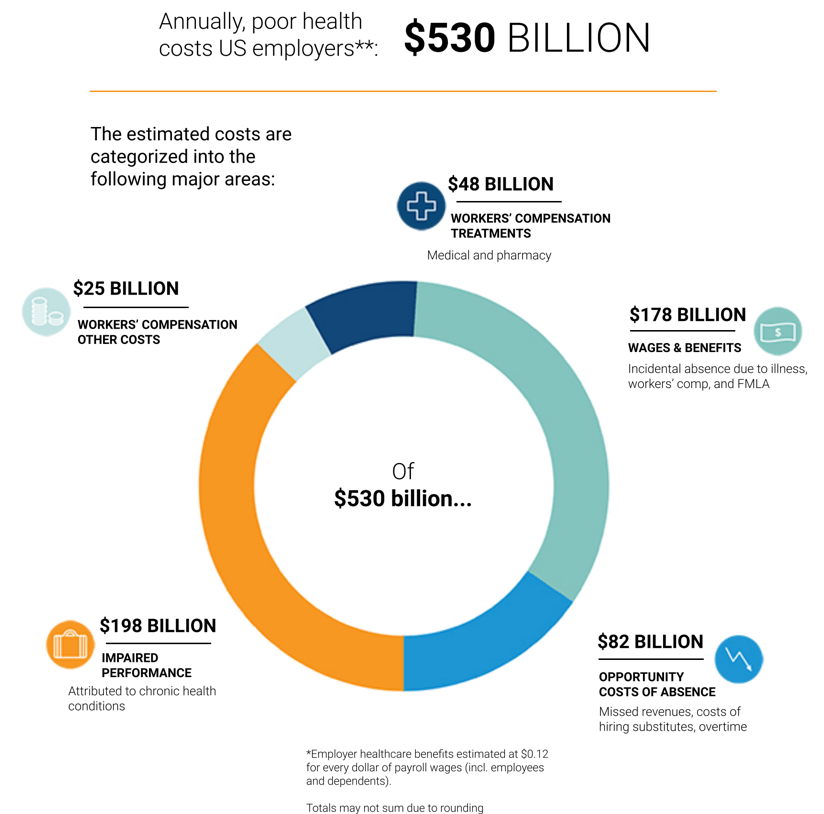
Neglecting health and wellness programs can also lead to higher healthcare costs for companies. When employees are not actively managing their health, they may be more prone to chronic conditions or illnesses that require costly medical treatments. This can impact the company's bottom line, as healthcare expenses rise due to preventable health issues.
Decreased Employee Engagement
Employee health problems can also contribute to decreased morale and engagement within the workforce. When employees are struggling with health issues, they may feel less motivated to perform well at work. This can create a negative work environment and impact team dynamics, leading to decreased collaboration and innovation.
Impact on Recruitment and Retention
Companies that neglect health management may also struggle with recruitment and retention efforts. Employees are more likely to seek out companies that prioritize their well-being and offer comprehensive health and wellness programs. Without these initiatives in place, companies may find it challenging to attract and retain top talent in the competitive job market.
Legal and Reputation Risks
Furthermore, poor corporate health management can expose companies to legal and reputation risks. Failure to provide a safe and healthy work environment for employees can result in legal liabilities and damage to the company's reputation. This can have long-lasting effects on the business, affecting relationships with customers, partners, and the broader community.Overall, neglecting health and wellness programs in the corporate setting can have detrimental effects on both employees and the business as a whole.
It is essential for companies to prioritize health management to ensure a productive, engaged workforce and sustainable business success.
Factors Contributing to Poor Corporate Health and Wellness Management
Organizations often struggle with implementing effective health and wellness programs due to various factors that hinder their success. These factors can range from internal challenges within the company to external influences that impact the overall well-being of employees.
Organizational Culture and Leadership
Organizational culture and leadership play a crucial role in shaping employee well-being initiatives. When leaders prioritize employee health and wellness, it creates a supportive environment where employees feel valued and cared for. However, if there is a lack of buy-in from leadership or a toxic work culture, it can impede the implementation of health programs and deter employees from actively participating.
Workplace Stress and Burnout
High levels of workplace stress and burnout can also contribute to poor corporate health management. When employees are overworked, under constant pressure, or lack work-life balance, their physical and mental health can suffer. This can lead to decreased productivity, higher absenteeism rates, and increased healthcare costs for the company.
Lack of Resources and Support
Another common reason for the failure of health and wellness programs is the lack of resources and support from the organization. Without adequate funding, access to wellness facilities, or support from management, employees may not have the necessary tools to prioritize their health.
This can result in low program participation and limited impact on overall employee well-being.
External Factors
External factors such as economic conditions, industry regulations, and societal norms can also hinder the success of corporate health programs. For example, in industries where long working hours are the norm, it can be challenging for companies to promote work-life balance and prioritize employee well-being.
Additionally, economic downturns or budget constraints may force organizations to cut back on health initiatives, further impacting employee wellness.
Strategies for Improving Corporate Health and Wellness Management
Implementing successful health and wellness initiatives in a corporate environment is crucial for enhancing employee well-being and overall productivity. Here are some best practices to consider:
Role of Technology in Employee Well-being Programs
Technology plays a vital role in modern corporate health and wellness management. Companies can leverage digital tools and platforms to:
- Provide employees with access to virtual fitness classes and wellness resources.
- Offer personalized health tracking apps to encourage healthy habits.
- Utilize wearable devices to monitor employee health and activity levels.
Examples of Companies Prioritizing Health and Wellness
Several companies have effectively made health and wellness a top priority in the workplace, leading to improved employee satisfaction and performance. Some notable examples include:
- Google:Offers on-site fitness centers, healthy meal options, and mental health support services for employees.
- Salesforce:Provides mindfulness and meditation programs, as well as wellness subsidies for employees.
- Microsoft:Focuses on work-life balance by promoting flexible work schedules and telecommuting options.
User Queries
What are the common reasons companies struggle with implementing effective health and wellness programs?
Some common reasons include lack of leadership support, insufficient resources, and resistance to change among employees.
How can technology enhance employee well-being programs within organizations?
Technology can improve communication, streamline data collection for wellness initiatives, and provide personalized health tracking for employees.